Online Catholic Homeschooling
Discover the joy of homeschooling with instructors who support your faith.
Early registration for The Catholic Homeschool Conference ends...
Day(s)
:
Hour(s)
:
Minute(s)
:
Second(s)

LIVE and Recorded Courses
Subjects from Accounting to Writing
3rd Grade through High School
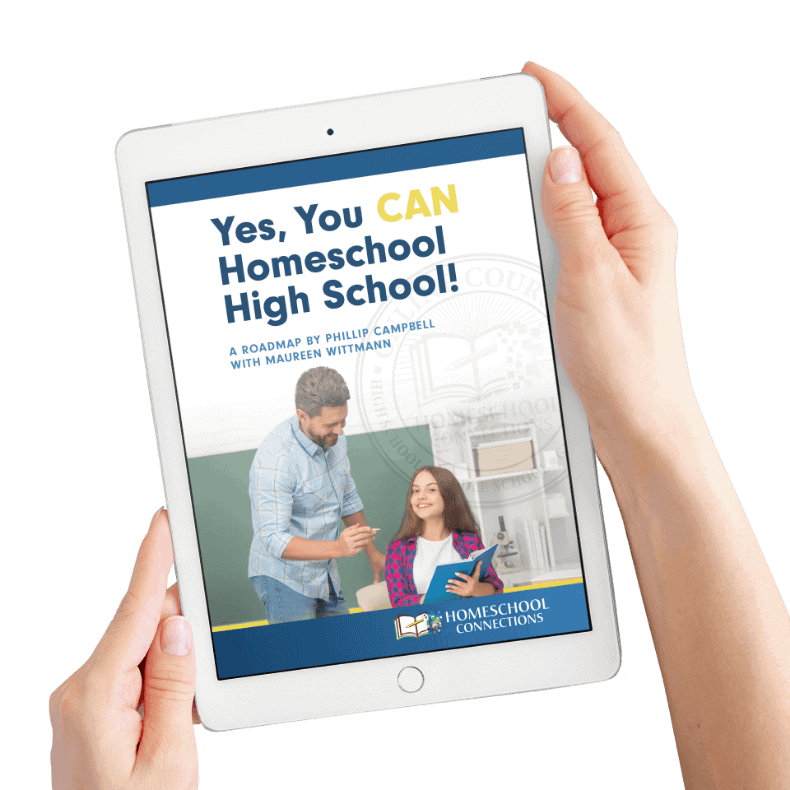
 Get a FREE “Yes, You CAN Homeschool High School!” eBook.
Homeschool According to Your Values
Are you looking for support as you homeschool multiple students? Are you concerned about your Catholic beliefs being challenged in schools? Wish your student’s unique gifts and learning styles were acknowledged and appreciated?
Homeschool Connections puts the power back where it belongs – with you, the parent! Our LIVE and recorded courses bolster your Catholic values and put your children’s needs and talents first.
Easily Choose From Hundreds of LIVE and Recorded Courses
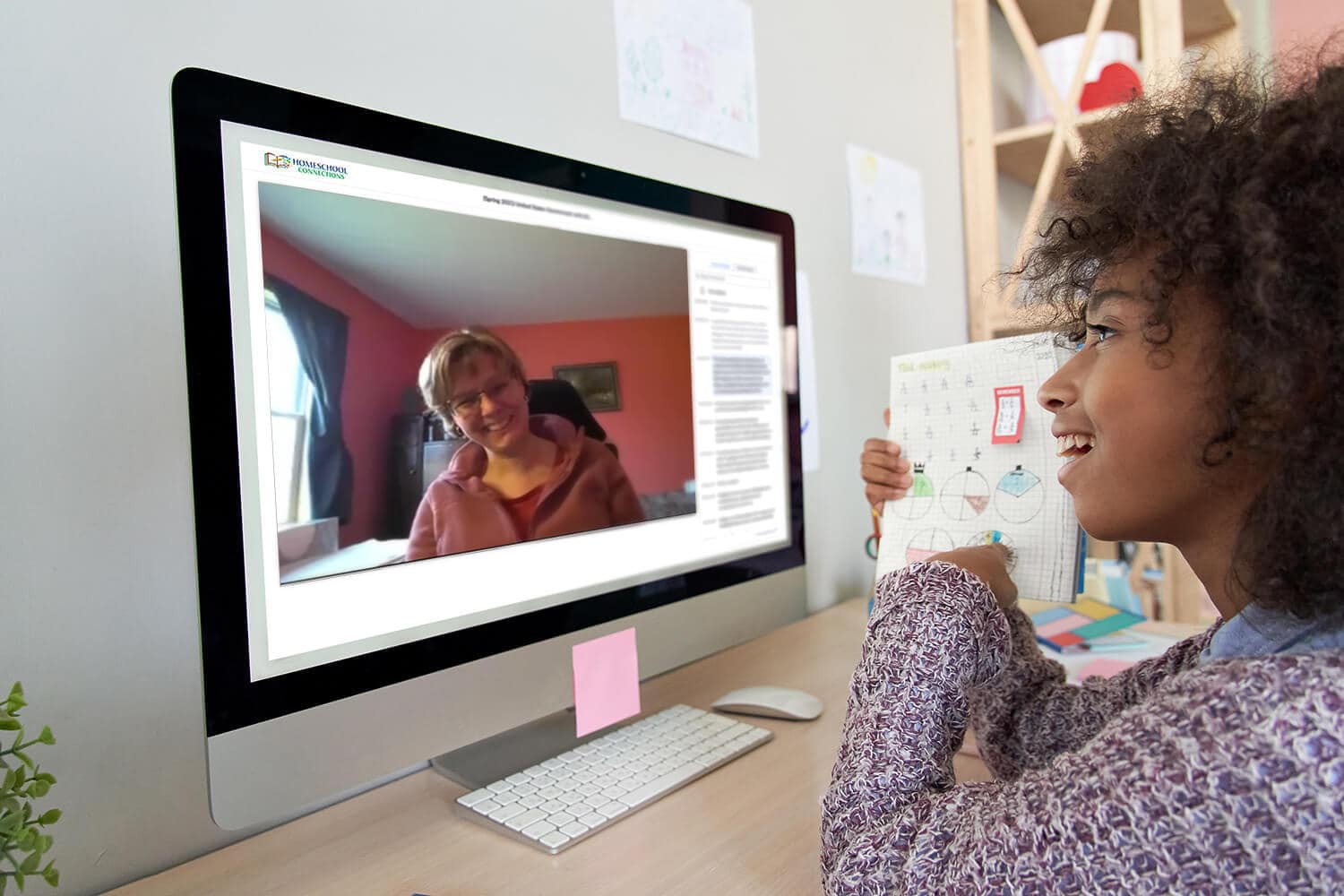
You should be a master of your schedule. Want your children to participate in engaging classes? Check out our LIVE courses. Looking for courses they can take anytime, anywhere? We have a wide variety of recorded courses they can access 24/7.
From binomials to business writing to Beethoven, your children will master topics that will launch them into successful careers, prepare them for their God-given vocations, and enhance their enjoyment of life.
FEATURED COURSES
Check out our new tool to quickly find the perfect online courses for your family!
Watch Your Children Become the Next Tolkien
Few skills are as critical for your child’s future success as writing. They will be judged on it by professors, interviewers, coworkers, and clients.
Ensure their mastery of communication by signing them up for Aquinas Writing Advantage. Designed for middle and high school students, this program puts them under the guidance of expert instructors who are professional writers and editors, university instructors, published authors, screenwriters, and more!
Learn From the Very Best Instructors
Our instructors love their subjects and have a reputation for spreading that enthusiasm to their students. Many have Advance Degrees in their field, and all of them are committed to nurturing your students’ relationship with God just as much as promoting success in their future vocation and/or career.

Join Our Supportive Community
Homeschooling can sometimes feel like a lonely venture. At Homeschool Connections, all of our families support one another. With our online community, you’ll be able to interact virtually with other parents in a encouraging, supportive environment. All you need to do to get started is to sign up!
This is a podcast created specifically for Catholic homeschooling parents. However, it is also enjoyed by non-homeschooling parents and non-Catholic parents — anyone whose home is centered on family life. We invite all to the table.
Our hope is to help you create a home environment that is joy-filled, conducive to learning, and points to God Almighty.
Apr 24, 2024
The Beauty of Mathematics! 
Ready to Get Started?
Homeschooling can seem daunting at first, but take it from us: The joy and freedom you gain from homeschooling far outweighs the challenges.
With flexible online classes, passionate instructors, and a supportive community at your back and cheering you on, there’s no limits to where your homeschooling journey can take your family!
Sign up today!